An Introduction to British Royal Titles, Titles of the Peerage and Feudal Titles
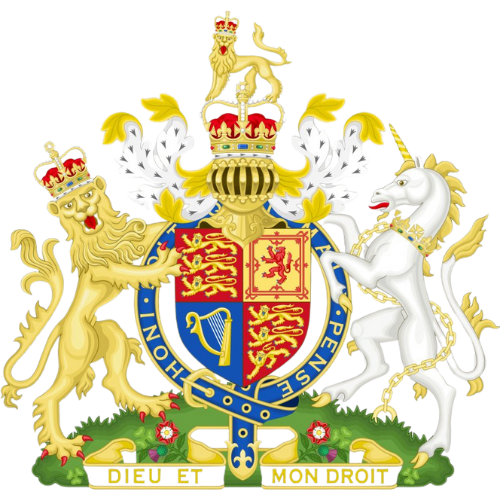
The Monarchy (Crown)
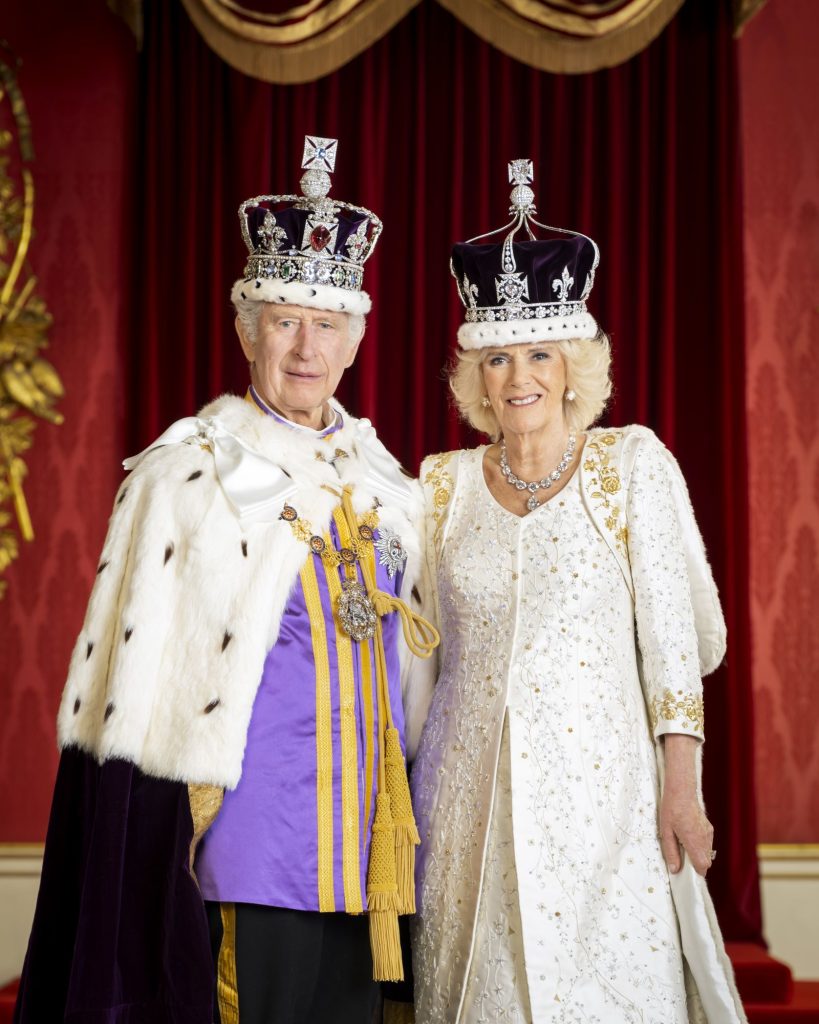
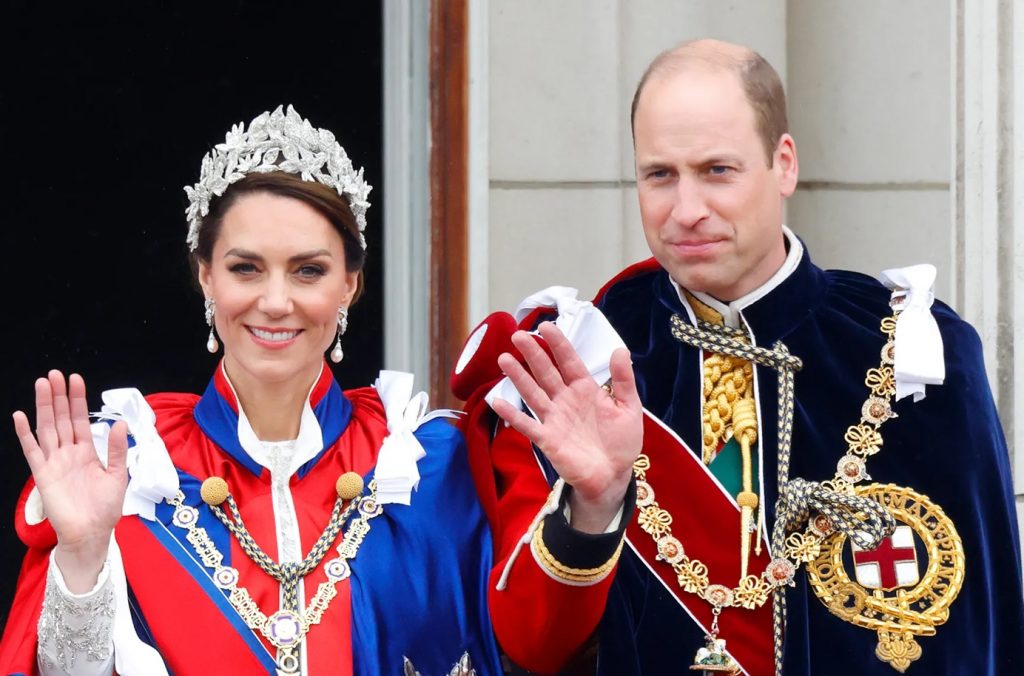
The heirs to the throne (Next inline)
The Lords Spiritual
Senior clergy members who hold seats in the House of Lords. The Archbishop of Canterbury is considered the first peer of England, followed by the Archbishop of York. In addition, the Bishops of London, Durham, and Winchester, along with 21 other bishops, also have seats in the House. When addressing them, the customary forms of address are “Your Grace” for archbishops, and “My Lord” or “My Lady” for other bishops.
Duke / Duchess
Created in 1337 and is the highest rank in the peerage. In the United Kingdom, they are addressed as “Your Grace” or “My Lord” / “My Lady” or “Madam.” The Duke/Duchess rank holds significant historical and social prestige within British nobility.
Marquess / Marchioness
Created in 1385. In the United Kingdom, it ranks just below a Duke and above an Earl. The usual form of address for a Marquess or Marchioness is “Your Grace” or “My Lord” / “My Lady” (or “Madam”). This title is historically associated with those who governed border regions, where the role often required military and administrative duties.
Earl / Countess
Earl / Countess dates back to 1017, when the first Earls in England were created. The Norman kings adopted the Saxon title, and the first Earls were individuals of great power and influence. The customary forms of address for an Earl or Countess are “Lord” / “Lady” or “My Lord” / “My Lady.” Earls historically governed large territories and were key figures in the medieval feudal system.
Viscount / Viscountess
Created in 1440 and ranks below an Earl but above a Baron in the peerage. Originally, the title was used for the Sheriff of a County. During the reign of Henry VI, the title evolved into a formal degree of honour and was made hereditary. The standard form of address for a Viscount or Viscountess is “Lord” / “Lady” or “My Lord” / “My Lady” (or “Madam”). The title carries with it both historical and administrative significance from its earlier use.
Baron / Baroness (Hereditary)
Created around 1066 and is the lowest rank in the peerage. Barons were introduced to England by the Normans, many of whom held similar titles in Normandy before the Conquest. The term “Baron” literally referred to a man who was the King’s tenant-in-chief, meaning he held land directly from the King under the feudal system (per baroniam). This title granted the holder a bundle of rights, including land, minerals, and certain privileges, such as rights of public justice.
By the 13th century, Barons were summoned to Parliament, and the title became an hereditary dignity within the peerage. The distinction between a baron of nobility and a feudal baron is subtle; one was granted peerage through letters patent, while the other was recognized as holding land under free socage. Despite the differences, both titles stemmed from the same feudal origins.
The customary forms of address for a Baron or Baroness are “Lord” / “Lady” or “My Lord” / “My Lady” (or “Madam”).
Life Baron / Life Baroness (by writ)
The lowest rank in the peerage. Life peerages had been granted for centuries, often to women, but the Life Peerage Act of 1958 made the regular creation of non-hereditary peerages possible. A life peerage grants all the privileges of a hereditary title, including a seat in the House of Lords. The key difference is that life peerages cannot be inherited, unlike hereditary peerages. Most of the life peerages granted under the Act have been baronies.
The customary forms of address for a Life Baron or Life Baroness are “Lord” / “Lady” or “My Lord” / “My Lady” (or “Madam”).
Baronet / Baronetess
Created in 1611 and is a hereditary title that ranks above a Knight but below a Baron. A Baronet (traditionally abbreviated as Bart or Bt, after the name) or the rare female equivalent, a Baronetess (abbreviated Btss), holds a hereditary baronetcy granted by the British Crown. The practice of awarding baronetcies began in England in the 1300s but was formalized by James I in 1611 to raise funds for the suppression of the Ulster rebellion.
A baronetcy is the only hereditary honour that is not considered a peerage. A Baronet is addressed as “Sir” (or “Dame” for a Baronetess), but ranks above all knighthoods and damehoods except for the Order of the Garter and, in Scotland, the Order of the Thistle. However, the baronetage as a class is considered part of the gentry and ranks above the knightage. While not a noble title or a knighthood, Baronets are members of the aristocracy.
The customary form of address for a Baronet or Baronetess is “Sir” / “My Lady” (or “Madam”).


Knight / Dame
Knighthood is an institution rooted in the days of chivalry, granted as an honourable distinction to recognize exceptional service or achievements. The title of Knight is a mark of dignity and distinction, and it entitles the recipient to use the prefix “Sir” (or “Dame” for women) followed by their name. The wife of a knight is entitled to use the prefix “Lady.” Knighthoods are often associated with the highest honours and are a symbol of recognition for one’s contributions to society, military service, or other notable endeavours..
Lord of the Manor / Lady of the Manor
Is one of the oldest titles in England, originating from the feudal system. In English society, a Lordship of the Manor is a title linked to property and is recognized as a form of land ownership in modern England and Wales. Historically, a Lord of the Manor might have been a tenant-in-chief if he held a capital manor directly from the Crown, or a mesne lord if he didn’t hold directly from the Crown but still had tenants of his own.
The origins of the Lordship of the Manor go back to the Anglo-Saxon period of manorialism. After the Norman Conquest, land holdings at the manorial level were recorded in the Domesday Book of 1086. The customary form of address for a Lord or Lady of the Manor is simply “Lord” / “Lady.”
Lord / Lady
is not only a title but also a form of address. It is used for a variety of individuals, including:
- A Marquess (Marchioness)
- An Earl (Countess)
- A Viscount (Viscountess)
- A Baron (Baroness)
- A Lord or Lady of the Manor
- The younger sons of a Duke or Marquess
- A bishop
In these cases, “Lord” or “Lady” serves as both a title of nobility and a polite form of address, reflecting the individual’s rank or position within society.
Titles are distinguished in two distinct groups:
I. Titles of the British Peerage
II. Titles of the British Feudal System
I. Titles of the British Peerage
The Peerage of the United Kingdom of Great Britain and Northern Ireland
(Parliamentary Titles)

The modern peerage system is essentially a continuation and renaming of the baronage that existed in feudal times. In the feudal system, the requirement for landholders to attend Parliament was both a privilege and a liability. These landholders, known as tenants-in-chief of the king per baroniam, held land under a feudal contract, which made them responsible for raising knights and troops for the royal feudal army. Other groups, such as higher clergy and the freemen of the Cinque Ports, were also regarded as barons.
The right to hold such a title began to be formalized through writs of summons starting in 1265 and by letters patent from 1388. Over time, many holders of smaller fiefdoms ceased to be summoned to Parliament, shifting the nature of the barony from a territorial to a personal title. While feudal baronies had traditionally been inherited by the eldest son under primogeniture, this inheritance was conditioned upon the payment of a fine called relief, derived from the Latin verb levo, meaning to “re-elevate” to a former position of honour.
Baronies and other titles of nobility became fully heritable with the abolition of feudal tenure by the Tenures Abolition Act of 1660. Non-hereditable titles began to be introduced later, starting in 1876 for law lords and in 1958 for life peers.
Today, the Peerage refers to the collective group of Lords in the United Kingdom of Great Britain and Northern Ireland, or those elevated to the status of “Peers of the Monarch.” These Lords hold a seat in the House of Lords (also ceremonially known as the House of Peers), the Upper House of the UK Parliament. Their titles are assigned by the Crown and cannot be transferred. Candidates for the Peerage are primarily selected by the Government. Peers appointed today are either “Working Peers,” who actively serve in the House of Lords, or “Non-Working Peers,” who receive the honour but do not have a role in legislative work.
Peerage Titles
- Lords Spiritual
- Duke
- Marquess
- Earl
- Viscount
- Baron (Hereditary)
- Baron (Life)
Until recently, the Peerage was primarily defined as those who held a seat in the House of Lords, which was part of the British Parliamentary system. However, recent reforms have significantly reduced the number of hereditary Peers in the House of Lords, with most now no longer holding a seat. These changes have reshaped the composition of the House, limiting hereditary peerages and increasing the role of appointed Peers.
Hereditary titles are passed down through the generations, typically in direct order. Titles such as Dukes, Marquesses, Earls, Viscounts, Barons, and Baronets (though not part of the Peerage, Baronets still hold hereditary status) are usually inherited. The succession typically follows the eldest son, although the specifics can vary depending on how the titles were initially granted.
II. Titles of the Feudal System
The Feudal Lords, Barons and Earls of the United Kingdom of Great Britain and Northern Ireland
(Feudal Titles)
These titles originate from the Manorial and Feudal System, which predates the Peerage and the British honours system. While Feudal Lordships are not considered Peers or Peerages of the Realm, they continue to exist today. Although they were once viewed as noble titles, Feudal Lordships now represent a form of feudal dignity within the system. The first Lords in the House of Lords were Feudal Lords, such as Barons and Earls, who were responsible for managing land and people across the country.
Most of the rights held by these title holders have either been lost or remained dormant for centuries, with many dating back to around 1066, during the reign of William the Conqueror (King William I). Some rights can trace their origins even further back, to hundreds of years earlier. In the 11th century, the Lord of the manor was one of the most influential figures in the country, with responsibilities such as collecting taxes. A Manor was essentially a collection of lands organized for administrative purposes, primarily for tax collection. A Lordship, on the other hand, referred to a set of rights over the manor, including the authority to address the owner as “Lord.”
Under UK real property law, manorial or feudal lordships are classified as “Estates in land.” In both English common law and property law, they are considered incorporeal hereditaments, meaning they are inheritable by the next generation. However, a key distinction between parliamentary titles, baronies, and manorial lordships is that peerage titles are not in commercio, meaning they cannot be bought or sold.
Nulle terre sans seigneur = There is no land without a lord
William the Conqueror, 1066
Titles of the Feudal System
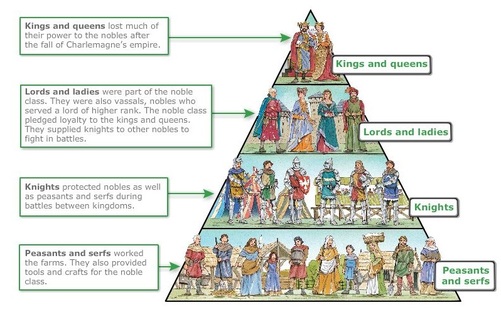
- Earl – a feudal Earldom, Similar to a Manorial title vested in property
- Baron – the highest degree of feudal land tenure
- Lord of the Manor – one of the oldest titles in England

Earl
In Anglo-Saxon England, feudal earls held significant authority over regions, serving as local governors with the right to administer justice in provincial courts, a power delegated by the king. They were responsible for collecting taxes and fines, and in return, they received a portion, known as a “third penny,” one-third of the revenue they collected. In times of war, earls led the king’s armies. Some regions, or shires, were grouped into larger units called earldoms, each headed by an ealdorman or earl. Notable earldoms included Wessex, Mercia, East Anglia, and Northumbria—territories that once represented independent kingdoms. These earldoms were much larger than a typical shire.
Under Edward the Confessor, earldoms were powerful, but unlike the continental dukes, earls were not independent rulers in their own right. Following the Norman Conquest, William the Conqueror initially kept the traditional system intact but modified it to suit his needs. Shires became the largest secular administrative divisions in England, and many earldoms disappeared. The Normans created new earls, such as those of Herefordshire, Shropshire, and Cheshire, but these earldoms were generally limited to a single shire and held less power than their Anglo-Saxon predecessors. Shires themselves became “counties,” and earls no longer had the same regional authority. They ceased to play a significant role in tax collection or judicial decisions.
Under King Stephen, the number of earls increased as he sought to reward his supporters during the civil conflict with Empress Matilda. Some earls gained the right to control royal castles or the sheriff’s office, and eventually, they assumed more power, holding courts and even minting their own coins. However, Stephen’s successor, Henry II, worked to reduce the power of earls by taking back control of royal castles, demolishing those built by earls, and limiting their independence. By the 13th century, earls were regarded as high-ranking nobles just below the king and princes, but they were not necessarily wealthier or more powerful than other members of the aristocracy.
To become an earl, one had to either inherit the title or marry into it, and the king had the right to prevent the transfer of the title. By the 14th century, the process of creating an earl involved a public ceremony where the king himself tied a sword belt around the new earl’s waist, symbolizing the royal grant of the title. Earls remained powerful as “companions of the king” and were instrumental in events like the deposition of Edward II in 1327. The number of earls remained stable until 1337, when Edward III declared his intention to create six new earldoms.
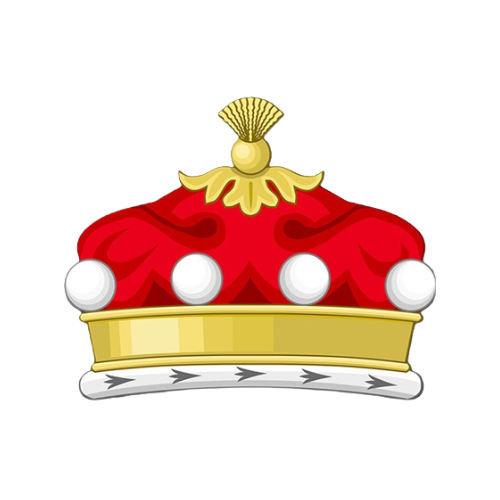
Baron
Barons were introduced into England by the Normans, many of whom already held that rank in Normandy before the Conquest. The term baron literally referred to a man who held land directly from the king under the feudal system, known as per baroniam (Latin for “by barony”). Under this system, the baron was a tenant-in-chief, meaning he owed allegiance and service to the king in exchange for land.
After the Norman Conquest, William the Conqueror established his loyal followers as barons by granting them large fiefs under this standard feudal contract of tenure. A feudal Barony was the highest form of feudal land tenure, where the landholder’s primary duty was to serve the king as a baron. Barons were often chosen based on personal merit and loyalty to the king. For example, William de Merley was granted the Barony of Morpeth for quelling a local rebellion.
Lands within a Barony were often spread across several counties, which were not necessarily contiguous. The name of the Barony typically came from the chief manor or seat, known as the caput (Latin for “head”), where the first baron lived. For example, the Barony of Morpeth in Northumberland took its name from the manor of Morpeth, the seat of William de Merley.
The exact dates of the creation of most feudal Baronies are difficult to determine, as many founding charters or deeds have been lost. Many of these Baronies are first recorded in the Domesday Book of 1086. The duties of feudal barons included providing soldiers to the king’s royal army upon request and attending the king’s feudal court, which was a precursor to the English Parliament.
By the 13th century, Barons were regularly summoned to the king’s counsel, though initially, this did not guarantee that their heirs would be summoned to subsequent Parliaments. Over time, especially by the reign of Edward III, it became customary for successors to be automatically summoned. This marked the emergence of the Baronage as a hereditary dignity, officially part of the Peerage.
The first baron to be created by patent (officially granted by the king) was John Beauchamp de Holt, who was made Baron Kidderminster by Richard III in 1387. However, baronies by writ (i.e., granted by royal decree) continued to be created long after that.
In summary, there was a distinction between barons of nobility, who were granted peerage through letters patent, and feudal barons, whose titles became hereditary through tenure. After the Tenures Abolition Act of 1660, feudal barons were converted to free socage, losing their original feudal duties and obligations.
Lord of the Manor
Lord of the Manor is one of the oldest feudal titles in England, with its origins dating back to the system of manorialism in the Anglo-Saxon period. It remains in continuous use today as a form of property in modern England and Wales. The Lordship of the Manor was a title tied to the ownership of land, and in the past, it represented a significant degree of local authority.
Historically, a Lord of the Manor might have been a tenant-in-chief if he held the capital manor directly from the Crown. Alternatively, he could have been a mesne lord, holding land indirectly from the Crown while managing his own tenants. The Lordship of the Manor emerged as part of the Anglo-Saxon feudal system and was documented in the Domesday Book of 1086, which recorded landholdings after the Norman Conquest.
The title of Lord of the Manor is not subdivisible. Since the Statute of Quia Emptores of 1290, tenants have been prohibited from subdividing their land through subinfeudation, meaning they could not create sub-tenancies under their own lordship. Instead, any land alienation had to occur by substitution, where land could be sold or transferred, but the new tenant would be directly subject to the original lord.
Today, the Lordship of the Manor remains a traditional property title, often associated with historic estates, but without the political and judicial powers once held by lords under feudal law.
| in Corpus Christi College Oxford v Gloucestershire County Council [1983] QB 360, Lord Denning, in his judgment, described the manor in the following manner: “The manor was the nucleus of English rural life… It was an administrative unit, the whole of it owned originally by the Lord of the Manor. He lived in the big house called the manor house. Attached to it were many acres of grassland and woodlands called the park. These were the ‘demesne lands’ for the personal use of the Lord of the Manor. Dotted all around were the enclosed homes and land occupied by the tenants of the manor.” |
Feudal Lordships, Baronies and Earldoms past & present
Feudal and manorial Lordships, as well as Baronies and Earldoms (hereinafter referred to as “Lordships”), continue to exist today under English custom and property law as “Estates in land.” These titles trace their origins back to the reign of King William I in 1066, though some may predate the Norman Conquest. The titles are intrinsically linked to the monarchy, even though they do not belong to the peerage in the same way as titles such as Dukes or Barons that are part of the British nobility and House of Lords.
The roots of these Lordships lie in the post-Conquest redistribution of land. Following the Battle of Hastings in 1066, William the Conqueror granted land to his Norman followers, replacing the Anglo-Saxon elite. He divided England into manors, each granted to his barons. These barons became the new ruling class in England, and the title of Lord was closely associated with owning a manor. Initially, only nobles could hold such land, though over time, commoners were also able to own manorial estates or baronies.
Barons were sometimes summoned to advise the king in his Royal Council, which later evolved into the House of Lords in the 13th century. While today’s manorial or feudal Lords may seem like a vestige of the ancient Norman nobility, they differ significantly from the titles held by members of the peerage, such as those in the House of Lords. Feudal Lords, such as Barons and Earls, were historically linked to specific estates and, in certain cases, could legally transfer their titles, a practice not typically applicable to hereditary peerage titles.
While not peerage titles, feudal Lordships are regarded as dignities of the gentry today, a reflection of their Norman origins. As noted by historian and lawyer Frederic William Maitland, these titles do not necessarily embody the nobility in the traditional sense but represent a significant aspect of England’s feudal heritage.
This distinction highlights the complexity of the English nobility, where titles of land and authority exist alongside hereditary peerage ranks, and yet both share a common link to the country’s ancient and evolving class system.
Manorial Rights
Manorial rights are a unique aspect of English property law, referring to the acquisition, transfer, and protection of assets associated with land ownership in England and Wales. These rights, including those tied to manorial Lordships, can be bought, sold, inherited, or transferred to other parties much like other types of property. This practice of transferring manorial rights has been common since medieval times. Notably, manorial or feudal Lordships are the only types of titles that can be purchased today. While such titles—like Lord of the Manor, feudal Baron, or Earl—are historic, they remain protected under laws such as the 1922 Law of Property Act.
Historically, a feudal Lord held a “bundle of rights” over the lands within his manor, extending even to those lands occupied by tenants and common lands. The specific rights attached to each Lordship varied depending on the terms of the grant. Some of these rights were significant and included powers such as the right to execute corporal or capital punishment, including the Right of Gallows (the right to execute criminals) and the Right of Stocks (the right to punish criminals by public humiliation).
One of the other notable privileges was the ability to hold a market within the manor, which allowed the Lord to collect tolls and taxes from those trading there. The Lord’s rights also extended to hunting and fishing. For example, the Lord often had the exclusive right to hunt wild animals on the common land or “wastes” of the manor, and he could demand payment from individuals fishing in rivers or lakes within his jurisdiction.
Though the authority associated with manorial rights has largely diminished over time, the ability to transfer, buy, or sell manorial Lordships as a form of property remains a unique element of English law. These rights continue to reflect the historic relationship between land ownership, local governance, and the power of feudal lords in medieval England.
A Manor/Lordship always came in three parts:
1. Land,
2. Rights over the Land,
3. Lordship – Power to collect fealty and taxes.
To convey all three rights they each had to be specifically listed in the deeds of transfer.
Lord of the Manor or feudal Barony titles are a form of property – In legal terms it is known as an ‘incorporeal hereditament’ which is a property that cannot be seen, moved or touched similar to that of a trademark.
Under the laws of real property in the United Kingdom, manorial or feudal Lordships are known as ‘Estates in land’. A feudal Lordship title itself can be separated from the physical property just as any other right can. Titles became separate from the physical land in 1922. Officially a manorial or feudal Lordship title is “a property without body”. As this a Lordship title is classified in law as an ‘incorporeal hereditament’.
‘Incorporeal’ means having no physical presence (not to see, touch or smell). ‘Hereditament’ means inheritable, a Lordship title can be inherited to the next generation (meaning the right continues forever more).
Through English Custom Law each owner of a Lordship of the Manor, feudal Barony or Earldom gained the legal right to use the titles of Lord and Lady, Baron and Baroness or Earl and Countess. The lawful holder of a feudal Lordship has the legal right to style him or herself, (The) Lord or Lady of X, (The) Lord or Lady of the Manor of X, (The) Baron or Baroness of X or (The) Earl or Countess of X, all feudal titles dating back to medieval times and still exist today. The remaining manorial or feudal lordship rights are property rights under the law of England and Wales and protected by the Law of Property Act 1922.
Titles from the Manorial and Feudal System can be owned by anyone, regardless of nationality. Upon acquiring a Lordship, the new owner inherits the rank and status of a feudal Lord and may even become involved in local community affairs. The new holder also becomes the successor in title to historical figures who have significantly influenced Britain’s history. In this way, the Lordship holder acts as a custodian of the title and its heritage, preserving it for future generations.
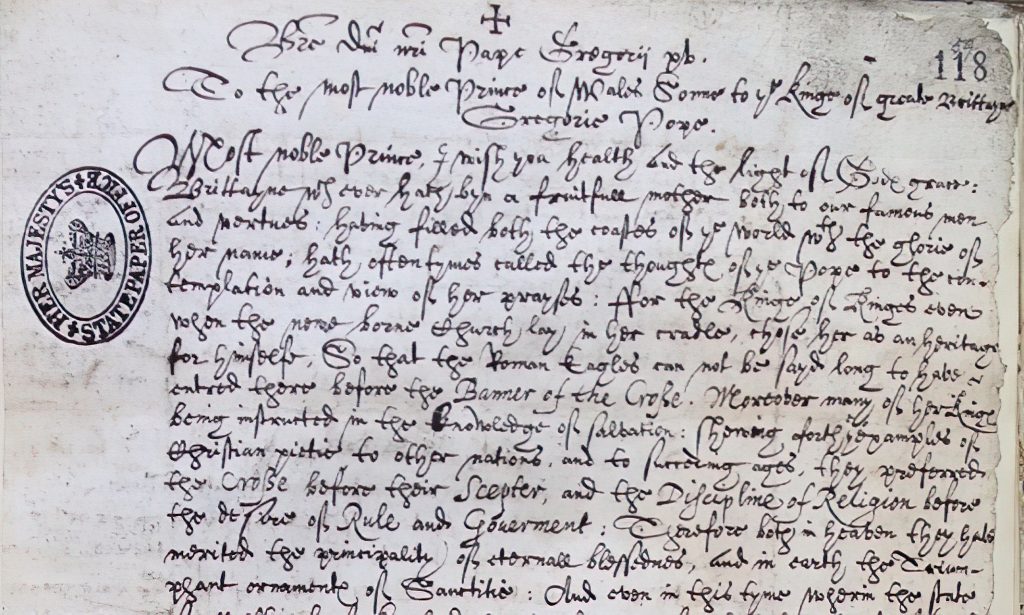
In some cases, a Lordship may have several names or titles. Most were granted between 1066 and 1086 and were originally named at that time. Just as we can change the name of a house today, a Lord could alter the name of their Lordship. The owner is free to use any of these names, depending on their preference.
Usage of a Lordship of the Manor, Feudal Barony or Earldom Title
A Lordship, Barony, or Earldom is typically linked to a specific place, which is why many Lords proudly use titles such as Lord of X or Baron of X. Under English custom law, the owner of a feudal Lordship or Barony gains the legal right to use these titles. As such, they are entitled to be called Lord or Lady, and refer to themselves as Lord/Lady of that Manor or Baron/Baroness of that Barony. For example, they may use titles like Lord/Lady of Preston or Baron/Baroness of Morpeth or Tynemouth.
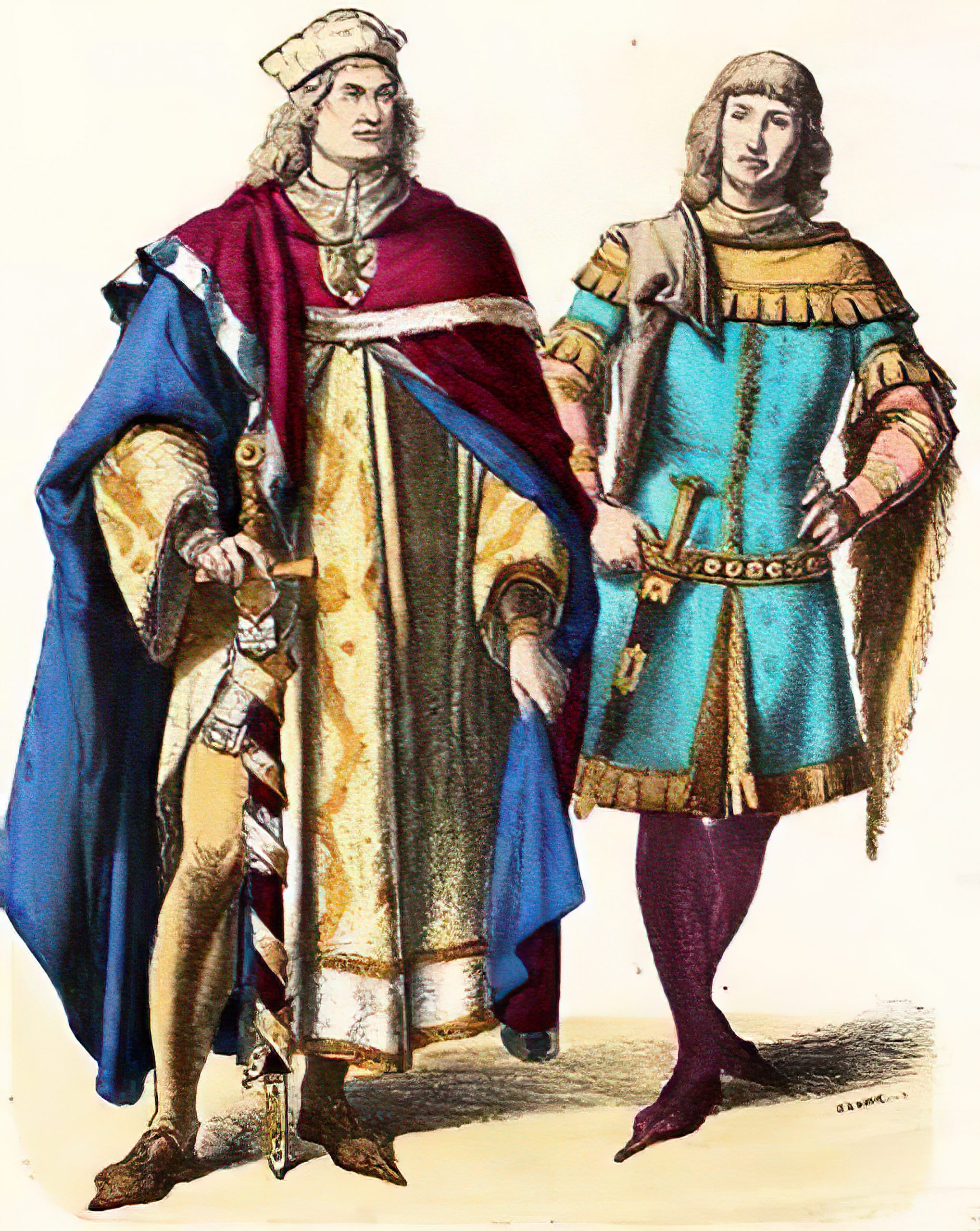
The right to use titles such as Lord or Lady of X, Lord or Lady of the Manor of X, Baron or Baroness of X, or Earl or Countess of X is a legal custom right. This right signifies the owner’s status as the holder of a specific manorial right, granted upon meeting certain legal requirements.
The title can be seen as a symbol of ownership with deep historical roots. Over time, it has become acceptable to drop the “of” in certain instances. The holder of a Lordship has the freedom to use their title in a manner they prefer (based on the availability of the respective feudal titles). Referring to a Lordship holder is more a matter of personal choice and etiquette rather than strict English law. However, using the title correctly, out of respect for its history, is a sign of good manners and can foster respect for the Lord or Lady and their Manor.
How to address a feudal Lord
| Lordship of the Manor of X | How to refer to a Lordship title: (The) Lordship of the Manor of X (The) Lordship of X | The holder of a manorial lordship can style themself as follows: The Lord and Lady of the Manor of X The Lord and Lady of X Personal Name, Lord/Lady of the Manor of X Personal Name, Lord/Lady of X Lord/Lady X | Letter Envelope: Personal Name, Lord/Lady of X or Lord/Lady of the Manor of X Top: Dear Personal Name Lord/Lady of X , or Dear Lord/Lady of X or Dear Lord/Lady X |
| Barony of X | How to refer to a Barony title: (The) Barony of X | The holder of a barony can style themself as follows: The Baron and Baroness of X or The Lord and Lady of X Personal Name Baron/Baroness X, or Personal Name Baron/Baroness of X, or Personal Name Lord/Lady of X, or Personal Name Lord/Lady X, or Personal Name Lord/Lady of X | Letter Envelope: Personal Name Baron/Baroness of X or The Baron/Baroness of X Top: Dear Personal Name Baron/Baroness of X or Dear Baron/Baroness of X |
| Earldom of X | How to refer to an Earldom title: (The) Earldom of X | The holder of an earldom can style themself as follows: The Earl and Countess of X or The Lord and Lady of X, or Personal Name Earl/Countess of X or Personal Name Lord/Lady of X, (A holder of an earldom should not drop the ‘of’ from the title, because it originates from a place name not from a surname like some Earls of the peerage) | Letter Envelope: Personal Name Earl/Countess of X, or The Earl/Countess of X Top: Dear Personal Name Earl/Countess of X , or Dear Earl/Countess of X |
NOTE: If you hold a Manorial Title, you are entitled to use “Lord” or “Lady” before your name. However, in the United Kingdom there is no laws about using titles but it is advisable to exercise caution when doing so. You should never claim to be a peer, as doing so can mount to a criminal offence. Manorial Lordships, feudal Baronies, or Earldoms are an ancient title tied to land tenure and they are not considered peers of the relm (peerage titles), which are part of the official nobility system. Always ensure that you are clear about the distinction to avoid misunderstandings.